Advertisement
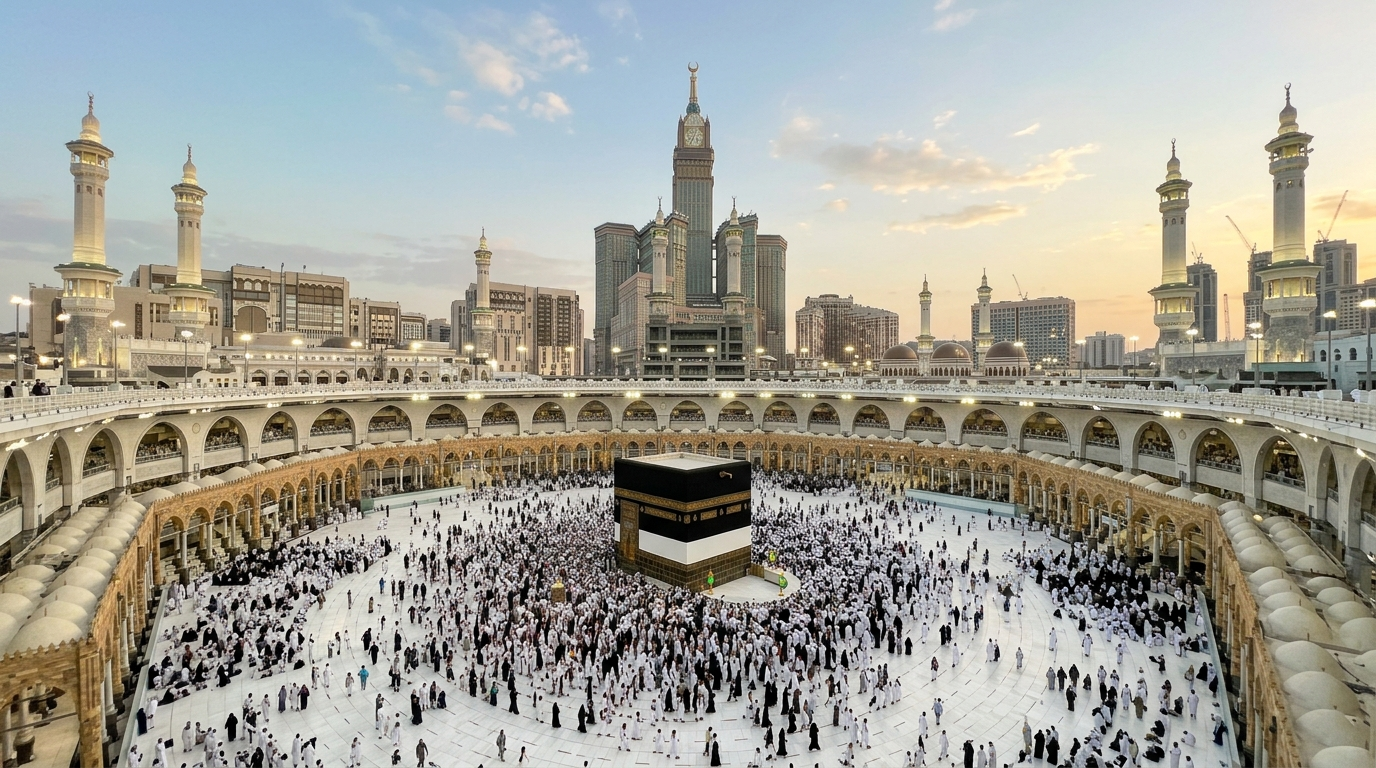
Five Pillars of Islam Explained for Beginners
If you are searching for the pillars of Islam or five pillars of Islam, this guide explains them in simple language and shows why they matter in daily Muslim life.
What Are the Five Pillars of Islam?
The five pillars of Islam are the foundation of a Muslim's worship and practice:
- Shahadah
- Salah
- Zakat
- Sawm
- Hajj
1. Shahadah
Shahadah is the testimony of faith: that there is no god but Allah and that Muhammad is the Messenger of Allah.
This pillar establishes belief, sincerity, and the foundation of Muslim identity.
2. Salah
Salah is the five daily prayers. It structures the day around remembrance of Allah and keeps the believer connected to worship regularly.
If you are learning prayer basics, you can also read our guides on how to make wudu and prayer for Tahajjud.
3. Zakat
Zakat is the required charity given by eligible Muslims. It purifies wealth and supports the poor and needy.
4. Sawm
Sawm means fasting in the month of Ramadan. Muslims abstain from food, drink, and other things that break the fast from dawn to sunset.
5. Hajj
Hajj is the pilgrimage to Makkah required once in a lifetime for those who are physically and financially able.
If you are studying pilgrimage, you may also benefit from our Umrah guide step by step.
Why Hajj Is the Fifth Pillar
Many readers search for five pillars hajj because they want to understand how pilgrimage fits into the basic structure of Islam. Hajj is not just a travel ritual. It is the fifth pillar because it gathers major Islamic values into one act of worship.
Through Hajj, Muslims practice:
- obedience to Allah
- sacrifice of comfort and wealth
- equality through simple clothing
- patience in difficulty
- unity with the Ummah
That is why Hajj stands inside the pillars rather than outside them.
What Pillar Status Means in Islam
When a practice is called a pillar, it means it supports the visible foundation of Muslim worship.
- Shahadah establishes faith.
- Salah structures daily life.
- Zakat purifies wealth.
- Sawm trains discipline.
- Hajj embodies surrender, unity, sacrifice, and remembrance.
This framework helps beginners see that the pillars work together rather than competing with each other.
Why Hajj Is Conditional on Ability
Hajj is obligatory only for Muslims who are physically and financially able. This shows mercy in Islamic law. The pillar remains essential, but its timing depends on real ability.
This is one reason Hajj differs from daily prayer or Ramadan fasting in practical application.
How the Five Pillars Work Together
The five pillars are best understood as one connected system of worship:
- belief through Shahadah
- rhythm through Salah
- generosity through Zakat
- restraint through Sawm
- embodied submission through Hajj
This is the best answer for anyone exploring five pillars hajj from a beginner perspective.
Why Beginners Should Study Hajj Through the Pillars
When a new Muslim or curious reader studies Hajj through the framework of the five pillars, pilgrimage stops looking random. It becomes part of a clear system of belief, worship, generosity, discipline, and submission. That approach makes Hajj easier to understand and easier to explain to others.
What Makes Hajj Different from the Other Pillars
Each pillar has its own rhythm. Shahadah is the foundation of belief. Salah is repeated daily. Zakat is financial worship tied to wealth. Sawm is a seasonal act of restraint. Hajj is different because it combines body, wealth, travel, hardship, and large-scale unity in one major act of obedience. This distinction helps readers see why Hajj leaves such a lasting impact.
Can Someone Be a Good Muslim Before Hajj?
Yes. A Muslim who has not yet performed Hajj can still be sincere and obedient if they are not yet able. The pillar remains obligatory only when ability is present. This point matters because it protects beginners from guilt while still honoring the seriousness of Hajj.
Teaching the Five Pillars to Children and Beginners
If you explain the pillars to children or new Muslims, Hajj can be described as the pillar of pilgrimage and total surrender. That simple wording helps learners remember its role clearly and respectfully.
Five Pillars Hajj Summary in One Paragraph
If someone asks specifically about five pillars hajj, the best summary is this: Hajj is the fifth pillar because it gathers faith, sacrifice, discipline, humility, and unity into one major act of worship required once in a lifetime for those who are able. It completes the visible framework of Muslim devotion alongside testimony, prayer, charity, and fasting.
Why Hajj Leaves a Different Kind of Impact
Unlike pillars repeated daily or yearly in local life, Hajj often places the Muslim in an unfamiliar environment of hardship, movement, and massive global unity. That unusual setting helps many believers understand Islam in a more embodied and unforgettable way.
Beginner Reflection Questions on the Five Pillars
- What does each pillar train in the heart?
- Why does Hajj come after the other pillars in this common teaching order?
- How does pilgrimage bring together patience, gratitude, and obedience?
These questions help students move beyond memorization into understanding.
How Teachers Can Explain Hajj More Clearly
One effective way to teach five pillars hajj is to compare the pillars by what they train. Prayer trains consistency. Fasting trains restraint. Charity trains generosity. Hajj trains surrender through movement, hardship, remembrance, and unity. That comparison helps students remember both the uniqueness and the purpose of pilgrimage.
Why Hajj Still Matters Even If Many Muslims Cannot Travel Yet
Not every Muslim can perform Hajj immediately. Cost, health, visas, and family duties may delay it. But the pillar still matters because Muslims should honor it, learn about it, and prepare for it with sincere intention until Allah opens the way.
Final Memory Line for Students
If you need one sentence to remember the five pillars hajj topic, use this: Hajj is the once-in-a-lifetime pillar of pilgrimage that completes the visible structure of Islamic worship for the Muslim who is able.
That short sentence is useful because it links obligation, worship structure, and ability in one memorable line.
It also reminds the learner that Hajj is never isolated from the rest of Islam. The five pillars belong together. A Muslim speaks the testimony, establishes prayer, gives charity, fasts Ramadan, and honors the pilgrimage when able. Studying Hajj inside that full pattern gives it the right weight and keeps it connected to the believer's wider life of worship.
Seen this way, Hajj is not an isolated journey but the crowning pillar of a complete worship framework.
Why the Five Pillars Matter
The five pillars are not random duties. They shape belief, discipline, generosity, patience, and submission to Allah. They help turn Islam into lived worship rather than abstract belief.
Common Questions Pilgrims Ask Pilgrims Ask
What are the five pillars of Islam in order?
The five pillars are Shahadah, Salah, Zakat, Sawm, and Hajj.
Why are the five pillars important?
They form the basic structure of Muslim faith and worship and guide a believer's relationship with Allah and with society.
Is Umrah one of the five pillars of Islam?
No. Hajj is one of the five pillars, while Umrah is a separate pilgrimage that is highly rewarding but not one of the five pillars.
Quran and Sunnah references
- Quran 2:196 on completing Hajj and Umrah for Allah.
- Quran 3:97 on the obligation of Hajj for those able to undertake it.
- Sahih al-Bukhari and Sahih Muslim: Umrah to Umrah expiates sins between them.
Explore more
Continue Reading
Popular Umrah Guides
Umrah Guide Step by Step: How to Perform Umrah for Beginners
How to Perform Umrah Step by Step (Complete Guide)
Complete Umrah Duas Guide: All Prayers & Supplications with Arabic Text
Ultimate Umrah Packing List 2024: What to Bring & What to Leave
15 Common Umrah Mistakes to Avoid: Expert Tips for a Valid Pilgrimage
Explore Makkah & Kaaba
Qibla Direction Explained: How Muslims Face the Kaaba in Prayer
الحجر الأسود (Hajar al-Aswad): Meaning, History, and Place in Tawaf
Kaaba Door Guide: Why It Is Raised, How It Changed, and Why It Matters
Mecca Meaning in Islam: Why It Is Called Makkah al-Mukarramah
Masjid al-Haram Map Guide: How to Understand the Sacred Mosque Layout
Masjid al-Haram Guide: The Sacred Makkah Mosque at the Heart of Islam
Recommended Travel Resources
Best Umrah Packages 2025: Prices, Options & Guide
Best Umrah Packages 2026 (Affordable Options & Tips)
Economy Umrah Packages: Affordable Booking Guide for Budget Pilgrims
Umrah Package With Flights: What Should Be Included Before You Book
Air Ticket for Umrah: Flight Booking Guide, Timing, and Package Strategy
Umrah Expenses from Pakistan: Full Cost Breakdown and Booking Plan
Frequently Asked Questions
What are the five pillars of Islam?
They are Shahadah, Salah, Zakat, Sawm, and Hajj.
Why are the five pillars of Islam important?
They form the foundation of Muslim worship and help organize faith, prayer, charity, fasting, and pilgrimage.
Is Umrah one of the five pillars of Islam?
No. Hajj is one of the five pillars, while Umrah is a separate act of worship.
Advertisement