Advertisement
Virtues and Merits in Sahih Muslim: Key Hadith on Excellence in Faith
Sahih Muslim contains a chapter known as Kitab al-Fada'il — the Book of Virtues and Merits. This chapter records the Prophet's ﷺ teachings about what Allah values most: character, sincerity, patience, and consistent good deeds. For Muslims seeking spiritual depth — especially those preparing for Umrah — these hadith offer a roadmap to genuine excellence.
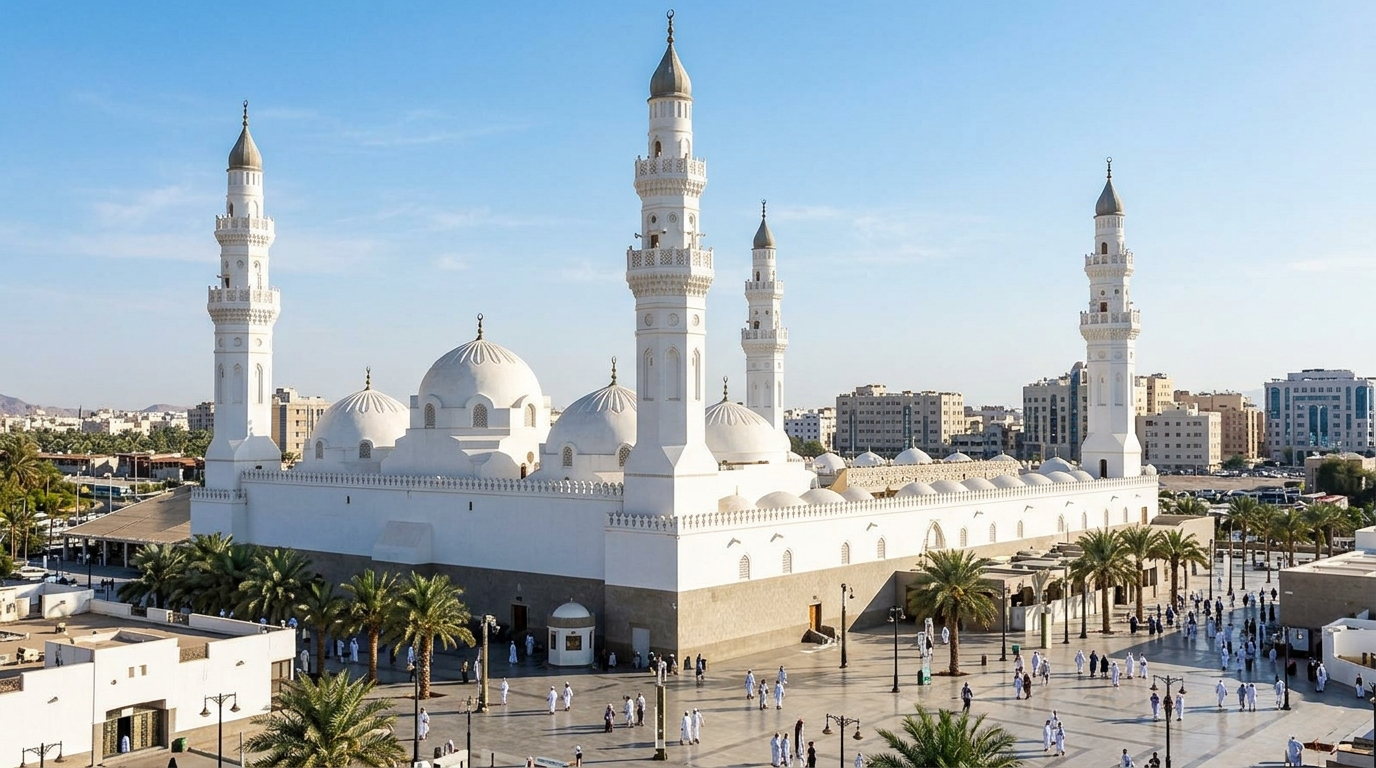
What Does "Keutamaan" Mean?
The Malay and Indonesian word keutamaan translates to "virtue" or "merit." In hadith terminology, fada'il refers to narrations highlighting the excellence of specific actions, times, places, or people. These hadith motivate believers by revealing what carries the greatest weight with Allah.
The Most Beloved Deeds to Allah
"The most beloved deeds to Allah are those done consistently, even if they are small." — Sahih Muslim
This single hadith overturns the assumption that spectacular, one-time acts are what matter most. Allah values consistency. The Muslim who prays five times daily for fifty years has done something more beloved than the one who performs a dramatic act once and then stops.
Application to Umrah
Your Umrah is not the destination — it is a catalyst. The Prophet ﷺ taught that the real measure of excellence is what you do after Umrah: Do you maintain the habits you formed? Do you continue the dhikr, the charity, the patience? Read our complete Umrah guide not just for the ritual steps, but for understanding how to carry the Umrah spirit into your daily life.
The Virtue of Patience
"How wonderful is the affair of the believer, for his affairs are all good. If something good happens to him, he is thankful for it and that is good for him. If something bad happens to him, he bears it with patience and that is good for him. This applies only to the believer." — Sahih Muslim, Hadith 2999
This is one of the most quoted hadith in Islamic literature — and for good reason. It reframes every experience as spiritually productive. For the pilgrim enduring heat, crowds, and exhaustion during Umrah, this hadith transforms hardship into worship.
The Virtue of Good Character
"The most complete believers in faith are those with the best character." — Reported by al-Tirmidhi, graded sahih
Sahih Muslim reinforces this through multiple narrations showing the Prophet ﷺ treating people with kindness, forgiving offences, and maintaining gentleness even under provocation. Good character is not an accessory to faith — it is its measure.
The Weight of Character on the Day of Judgement
"Nothing is heavier on the believer's Scale on the Day of Judgement than good character." — Reported by al-Tirmidhi, graded sahih
When scholars speak of preparing for Umrah, they often focus on rituals. But the hadith on virtues remind us that the pilgrim who is kind to fellow travellers, patient with delays, and gentle with service workers is performing worship just as surely as the one performing tawaf.
The Virtue of Dhikr (Remembrance of Allah)
"Shall I not inform you of the best of your deeds, the purest in the sight of your Lord, which raises you more in rank, which is better for you than spending gold and silver, and better than meeting your enemy and striking their necks and they strike yours?" They said: "Yes." He said: "The remembrance of Allah." — Reported by al-Tirmidhi and Ibn Majah, graded sahih
Dhikr — the quiet, consistent remembrance of Allah — outranks even charity and physical sacrifice. For the Umrah pilgrim, the talbiyah, the dua during tawaf, and the supplication at Safa and Marwa are all forms of dhikr. Use our Umrah duas guide to ensure your remembrance is grounded in authentic wording.
The Virtue of Seeking Knowledge
"Whoever follows a path in pursuit of knowledge, Allah will make easy for him a path to Paradise." — Sahih Muslim, Hadith 2699
Reading this very article is, by the Prophet's ﷺ definition, an act of worship. The Muslim who studies hadith, understands rulings, and seeks to worship with knowledge is on a path Allah Himself has made easy.
The Virtue of Removing Harm from the Path
"Faith has over seventy branches, the highest of which is saying La ilaha illallah, and the lowest of which is removing something harmful from the road." — Sahih Muslim, Hadith 35
This hadith beautifully illustrates the scope of Islamic virtue. It ranges from the highest theological statement to the most mundane physical act. During Umrah, this might mean picking up litter near the Haram, helping an elderly pilgrim carry their bag, or simply stepping aside to let others pass during tawaf.
Practical Steps: Building a Life of Virtue
-
Choose one small deed and never miss it. Whether it is morning adhkar, a daily sadaqah, or reading one page of Quran — consistency is what Allah loves most.
-
Audit your character weekly. Were you patient? Kind? Honest? The hadith on virtues make character a measurable, improvable quality.
-
Make dhikr your default state. Replace idle scrolling with subhanallah, alhamdulillah, and la ilaha illallah. The Prophet ﷺ ranked this above spending gold.
-
Seek knowledge intentionally. Set a goal to study one hadith chapter before your next Umrah.
-
Look for the "small" virtues. Removing harm from the path, smiling at a stranger, greeting with salam — these are branches of faith the Prophet ﷺ specifically highlighted.
Common Questions Pilgrims Ask Pilgrims Ask
What is Kitab al-Fada'il in Sahih Muslim?
Kitab al-Fada'il is the Book of Virtues in Sahih Muslim. It contains hadith narrations highlighting the excellence and merit of specific deeds, character traits, and spiritual practices valued by Allah and His Messenger ﷺ.
What is the most important virtue in Islam?
The hadith literature emphasises that good character, consistency in deeds, and sincerity of intention are among the highest virtues. The Prophet ﷺ said nothing weighs heavier on the Scale than good character.
How do these virtues relate to Umrah?
Umrah is a concentrated opportunity to practice patience, dhikr, humility, and consistency. The hadith on virtues provide the spiritual framework that transforms physical rituals into deeply meaningful acts of worship.
Can small deeds really outweigh large ones?
Yes. The Prophet ﷺ explicitly taught that consistent small deeds are more beloved to Allah than spectacular but inconsistent large ones. This principle applies to all worship, including post-Umrah spiritual maintenance.
Where can I read more hadith on virtues?
The full Kitab al-Fada'il is available on sunnah.com. For practical application during pilgrimage, combine this study with our complete Umrah guide.
Conclusion
The hadith on virtues in Sahih Muslim reveal a beautiful truth: excellence in Islam is not reserved for scholars and saints. It is available to everyone who is consistent, patient, kind, and sincere. The pilgrim who removes a stone from the path near the Kaaba is practising a branch of faith. The Muslim who smiles at a fellow traveller is worshipping.
Carry these virtues with you — to Umrah, and to every day after.
May Allah make us among those whose scales are heavy with good character and consistent deeds. Ameen.
Quran and Sunnah references
- Quran 2:196 on completing Hajj and Umrah for Allah.
- Quran 3:97 on the obligation of Hajj for those able to undertake it.
- Sahih al-Bukhari and Sahih Muslim: Umrah to Umrah expiates sins between them.
Explore more
Continue Reading
Popular Umrah Guides
Umrah Guide Step by Step: How to Perform Umrah for Beginners
How to Perform Umrah Step by Step (Complete Guide)
Complete Umrah Duas Guide: All Prayers & Supplications with Arabic Text
Ultimate Umrah Packing List 2024: What to Bring & What to Leave
15 Common Umrah Mistakes to Avoid: Expert Tips for a Valid Pilgrimage
Explore Makkah & Kaaba
Qibla Direction Explained: How Muslims Face the Kaaba in Prayer
الحجر الأسود (Hajar al-Aswad): Meaning, History, and Place in Tawaf
Kaaba Door Guide: Why It Is Raised, How It Changed, and Why It Matters
Mecca Meaning in Islam: Why It Is Called Makkah al-Mukarramah
Masjid al-Haram Map Guide: How to Understand the Sacred Mosque Layout
Masjid al-Haram Guide: The Sacred Makkah Mosque at the Heart of Islam
Recommended Travel Resources
Best Umrah Packages 2025: Prices, Options & Guide
Best Umrah Packages 2026 (Affordable Options & Tips)
Economy Umrah Packages: Affordable Booking Guide for Budget Pilgrims
Umrah Package With Flights: What Should Be Included Before You Book
Air Ticket for Umrah: Flight Booking Guide, Timing, and Package Strategy
Umrah Expenses from Pakistan: Full Cost Breakdown and Booking Plan
Frequently Asked Questions
What is Kitab al-Fada'il in Sahih Muslim?
Kitab al-Fada'il is the Book of Virtues in Sahih Muslim containing hadith on the excellence and merit of specific deeds, character traits, and spiritual practices valued by Allah.
What is the most important virtue in Islam?
Good character, consistency in deeds, and sincerity of intention are among the highest virtues. The Prophet ﷺ said nothing weighs heavier on the Scale than good character.
How do these virtues relate to Umrah?
Umrah is a concentrated opportunity to practice patience, dhikr, humility, and consistency. The hadith on virtues transform physical rituals into meaningful acts of worship.
Can small deeds really outweigh large ones?
Yes. The Prophet ﷺ taught that consistent small deeds are more beloved to Allah than spectacular but inconsistent large ones.
Where can I read more hadith on virtues?
The full Kitab al-Fada'il is available on sunnah.com under Sahih Muslim.
Advertisement