Advertisement
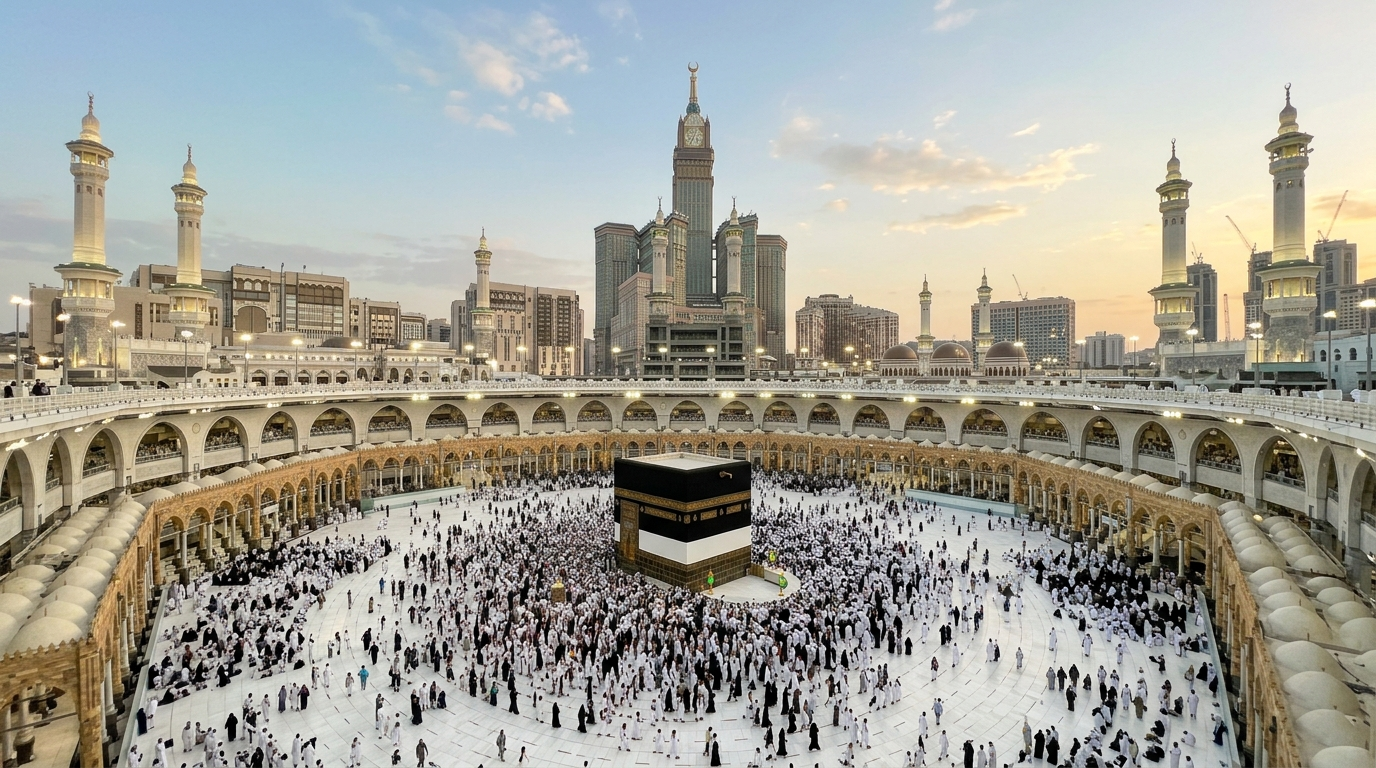
Hajj Islam Definition: Meaning, Purpose, and Why Hajj Matters in Islam
Many beginners search for hajj islam definition because they want a clear answer before learning the detailed rituals. That is the right place to start. Before a Muslim memorizes the order of Mina, Arafat, Muzdalifah, and Tawaf, it helps to understand what Hajj actually is in Islam, why it matters so much, and what makes it one of the central acts of worship in Muslim life.
Simple Hajj Islam Definition
The simplest hajj islam definition is this: Hajj is the major pilgrimage to Makkah and nearby sacred sites, performed on specific days of Dhul Hijjah, and required once in a lifetime for every Muslim who is physically and financially able.
That definition contains the main building blocks:
- it is a pilgrimage
- it happens in specific sacred places
- it takes place on fixed dates
- it is obligatory under conditions of ability
If one of those elements is missing, the basic Islamic definition becomes incomplete.
What Does the Word Hajj Mean?
Linguistically, Hajj refers to setting out with purpose toward a great destination. In Islam, that destination is not only a physical place. It is a journey of obedience toward Allah through the sacred rites He legislated.
So when Muslims speak about Hajj, they are speaking about a pilgrimage with both outer and inner meaning:
- outward movement through rituals and locations
- inward transformation through repentance, humility, remembrance, and submission
Why Hajj Is Important in Islam
Hajj is not merely a historical tradition or cultural travel event. It is one of the five pillars of Islam. That means Hajj stands among the visible foundations of Muslim worship.
The pillar status of Hajj teaches several things:
- Islam is practiced with the body, heart, wealth, and intention.
- Worship includes both personal devotion and communal unity.
- A believer's relationship with Allah includes sacrifice, discipline, and obedience.
Because of this, Hajj is much more than tourism with religious symbols. It is a pillar-based act of worship with lasting meaning.
Who Must Perform Hajj?
Not every Muslim is required to perform Hajj immediately. Islamic law ties the obligation to ability.
In simple terms, Hajj becomes required when the Muslim is:
- Muslim
- adult
- sane
- physically able
- financially able
- reasonably safe and capable of making the journey
This condition of ability shows both the seriousness and mercy of Islamic law. Hajj remains a pillar, but Allah does not burden a servant with what is beyond real capacity.
Hajj and Umrah: Are They the Same?
A common beginner mistake is to assume Hajj and Umrah are the same act with different durations. They are related, but they are not identical.
Hajj
- takes place on fixed dates
- includes Mina, Arafat, Muzdalifah, and Jamarat rites
- is one of the five pillars
- is obligatory once in a lifetime for those who are able
Umrah
- can be performed at many times of year
- is shorter
- does not include the same full sequence of Hajj sites and days
- is highly rewarding but not one of the five pillars
Understanding this difference helps the definition of Hajj become clearer.
What Are the Main Acts of Hajj?
The full legal details of Hajj can become technical, but the basic structure includes:
- entering Ihram
- staying in Mina
- standing at Arafat
- moving to Muzdalifah
- stoning at Jamarat
- sacrifice where required
- shaving or trimming hair
- Tawaf al-Ifadah
- farewell tawaf before departure
These rites make Hajj distinct from all other worship journeys in Islam.
Why Arafat Is Central to the Definition of Hajj
If you want to understand what makes Hajj unique, focus on Arafat. The standing at Arafat is central to Hajj in a way that no single rite in Umrah matches.
The Day of Arafah brings together:
- repentance
- dua
- hope in Allah's mercy
- awareness of the Hereafter
- equality of pilgrims before Allah
This is why many scholars describe Hajj as a pilgrimage of total humility.
Hajj as Worship of the Heart and Body
One of the most beautiful aspects of the hajj islam definition is that it combines many dimensions of worship together:
- the body through travel, walking, and ritual action
- the heart through intention and humility
- the tongue through Talbiyah, dhikr, and dua
- wealth through the costs and sacrifices of pilgrimage
Hajj is therefore not only physical movement. It is total worship involving the full life of the believer.
What Hajj Teaches Muslims
Hajj teaches a Muslim that faith is lived, not merely spoken. It trains:
- patience under pressure
- equality among believers
- surrender to divine guidance
- detachment from comfort and status
- remembrance of death, resurrection, and accountability
These lessons are part of why Hajj carries such deep weight in Islam.
Why Hajj Happens on Fixed Dates
Another important part of the definition is timing. Hajj does not happen whenever a pilgrim feels ready. It occurs on fixed days in Dhul Hijjah. This teaches collective obedience.
Millions of Muslims gather in the same sacred time frame and follow a divinely set order. That shared timing is part of the identity of Hajj itself.
Common Misunderstandings About Hajj Definition
"Hajj is just a spiritual journey"
It is spiritual, but also legal, physical, communal, and ritual.
"Hajj is only for very religious scholars"
No. It is for every eligible Muslim.
"Hajj is optional if you have already done Umrah"
No. Umrah does not replace the Hajj obligation.
"Hajj is only about visiting Makkah"
No. The complete pilgrimage includes multiple sacred sites and rites beyond a simple visit.
How Beginners Should Study Hajj After Learning the Definition
Once you understand the basic hajj islam definition, study Hajj in this order:
- definition and pillar status
- who Hajj is obligatory for
- day-by-day sequence
- practical packing and logistics
- spiritual goals and etiquette
This learning order prevents overload and helps pilgrims absorb Hajj step by step.
Why Definition Matters Before Ritual Detail
Many learners rush into technical Hajj rulings before they understand the meaning of the pilgrimage itself. A solid hajj islam definition protects against that mistake. Once a pilgrim knows what Hajj is, why it is a pillar, and why it is tied to ability and fixed dates, the detailed rulings become much more coherent.
Hajj Definition and Muslim Identity
Hajj also teaches that Islam is not only private belief. It is lived obedience expressed in the body, the heart, and the wider Muslim community. This is why the definition of Hajj matters so much: it shows that pilgrimage is one of the clearest examples of Islam becoming visible in life.
Quick Summary
If you need a one-paragraph answer, here it is: Hajj is the major Islamic pilgrimage to Makkah and nearby sacred sites, performed on fixed days in Dhul Hijjah, and required once in a lifetime for Muslims who are physically and financially able. It is one of the five pillars of Islam and combines ritual action, remembrance, sacrifice, humility, and global Muslim unity.
Conclusion
The strongest hajj islam definition is one that includes meaning, obligation, purpose, and structure. Hajj is not merely travel, history, or symbolism. It is one of Islam's foundations and one of the most complete acts of worship a Muslim can perform.
Once you understand that, the rituals of Hajj begin to make deeper sense. They are not isolated movements. They are the visible shape of obedience, repentance, patience, and surrender to Allah.
May Allah grant every Muslim correct understanding, sincere intention, and accepted pilgrimage.
Quran and Sunnah references
- Quran 2:196 on completing Hajj and Umrah for Allah.
- Quran 3:97 on the obligation of Hajj for those able to undertake it.
- Sahih al-Bukhari and Sahih Muslim: Umrah to Umrah expiates sins between them.
Explore more
Continue Reading
Popular Umrah Guides
Umrah Guide Step by Step: How to Perform Umrah for Beginners
How to Perform Umrah Step by Step (Complete Guide)
Complete Umrah Duas Guide: All Prayers & Supplications with Arabic Text
Ultimate Umrah Packing List 2024: What to Bring & What to Leave
15 Common Umrah Mistakes to Avoid: Expert Tips for a Valid Pilgrimage
Explore Makkah & Kaaba
Qibla Direction Explained: How Muslims Face the Kaaba in Prayer
الحجر الأسود (Hajar al-Aswad): Meaning, History, and Place in Tawaf
Kaaba Door Guide: Why It Is Raised, How It Changed, and Why It Matters
Mecca Meaning in Islam: Why It Is Called Makkah al-Mukarramah
Masjid al-Haram Map Guide: How to Understand the Sacred Mosque Layout
Masjid al-Haram Guide: The Sacred Makkah Mosque at the Heart of Islam
Recommended Travel Resources
Best Umrah Packages 2025: Prices, Options & Guide
Best Umrah Packages 2026 (Affordable Options & Tips)
Economy Umrah Packages: Affordable Booking Guide for Budget Pilgrims
Umrah Package With Flights: What Should Be Included Before You Book
Air Ticket for Umrah: Flight Booking Guide, Timing, and Package Strategy
Umrah Expenses from Pakistan: Full Cost Breakdown and Booking Plan
Frequently Asked Questions
What is the Hajj Islam definition in simple words?
Hajj is the major pilgrimage to Makkah and nearby sacred sites, performed on fixed days in Dhul Hijjah, and required once in a lifetime for Muslims who are able.
Why is Hajj important in Islam?
Hajj is important because it is one of the five pillars of Islam and brings together obedience, sacrifice, remembrance, and unity in one major act of worship.
Is Hajj the same as Umrah?
No. Hajj has fixed dates, additional rites, and pillar status, while Umrah is a shorter pilgrimage that can be performed at many times of year.
Advertisement