Advertisement
Hajj Steps Explained: A Simple Step-by-Step Guide
Hajj is one of the greatest journeys in a Muslim's life. If you are learning for the first time, it can look overwhelming because the rituals happen across several days and places. This guide keeps things simple: what happens, when it happens, and what each step means.
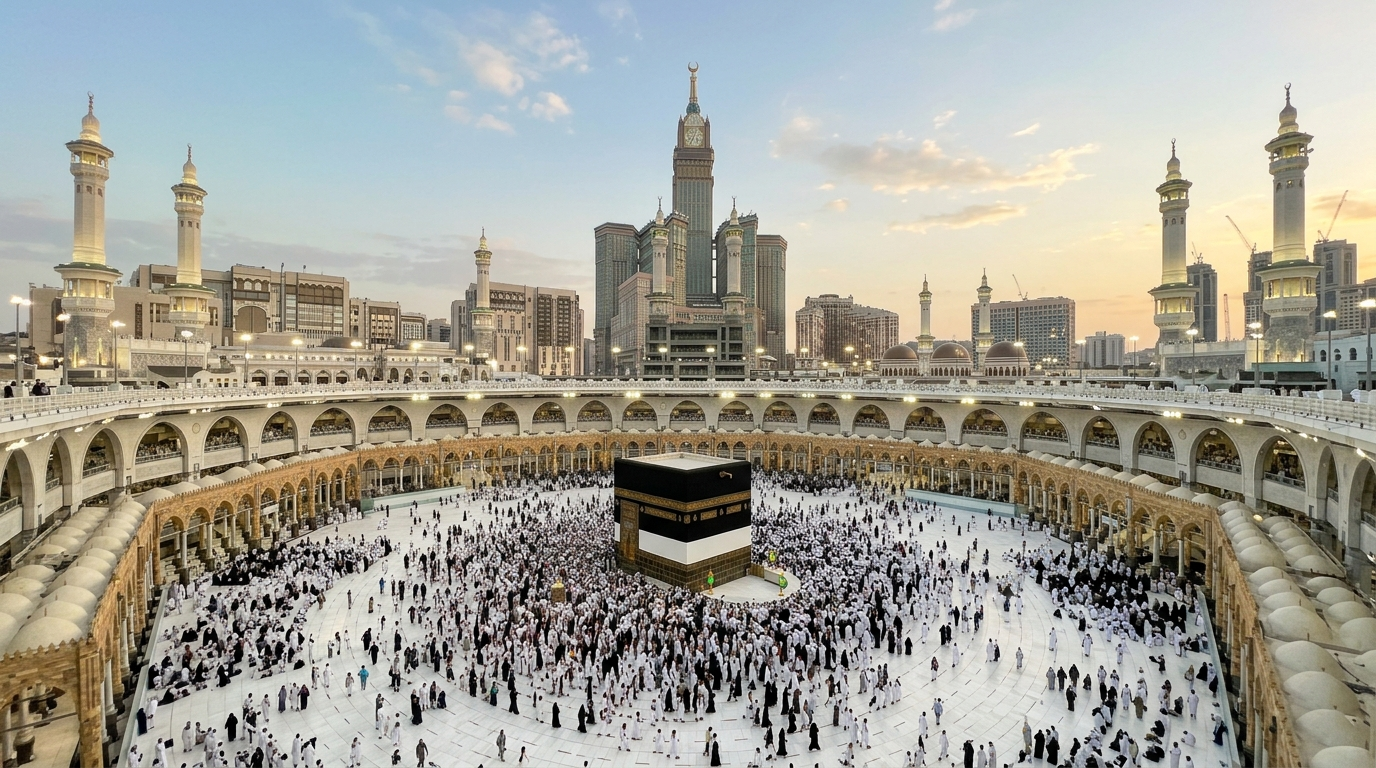
What is Hajj in simple words?
Hajj is the major pilgrimage to Makkah performed in specific days of Dhul Hijjah. It is required once in a lifetime for every Muslim who is physically and financially able.
Unlike Umrah, Hajj has fixed dates and includes extra rites such as standing at Arafah, staying in Muzdalifah, and stoning the Jamarat in Mina.
Before Hajj starts
A little preparation makes the journey much easier:
- Learn the sequence before you travel.
- Keep a small card with your duas and daily plan.
- Stay with your group and agree on meeting points.
- Carry sandals, water, unscented toiletries, and simple medication.
- Keep your intention sincere and your behavior gentle with others.
Hajj steps in order
1. Enter Ihram and make intention
You enter Ihram from the miqat and begin with talbiyah. Men wear the two white cloths, and women wear modest clothing without perfume.
2. Go to Mina on 8th Dhul Hijjah
Pilgrims travel to Mina and pray there. This day is about readiness, patience, and remembrance.
3. Stand at Arafah on 9th Dhul Hijjah
This is the central pillar of Hajj. Pilgrims spend the day in dua, dhikr, and repentance until sunset.
4. Spend the night in Muzdalifah
After sunset, pilgrims move to Muzdalifah, pray, rest, and collect pebbles for stoning.
5. Stone Jamarat al-Aqabah and offer sacrifice
On 10th Dhul Hijjah, pilgrims stone the large pillar and complete the sacrifice process according to their Hajj type.
6. Shave or trim the hair
Men usually shave or trim, and women trim a small portion of hair. This marks partial release from Ihram restrictions.
7. Perform Tawaf al-Ifadah and Sa'i
Pilgrims go to Masjid al-Haram for Tawaf al-Ifadah, and many perform Sa'i between Safa and Marwah if required for their Hajj type.
8. Return to Mina for the days of Tashreeq
Pilgrims return to Mina and stone the three Jamarat on the following days.
9. Perform Tawaf al-Wada before leaving Makkah
Before departure, pilgrims do farewell tawaf as the final rite.
What to focus on as a beginner
- Keep the order clear instead of memorizing too many details at once.
- Ask your group scholar when unsure.
- Avoid arguments in crowded areas.
- Protect your prayers, hydration, and rest.
- Stay calm if schedules change. Small delays are normal in Hajj.
Common mistakes to avoid
Rushing rituals without understanding
Try to learn the purpose of each step. Understanding reduces stress.
Getting separated from your group
Always keep emergency contacts, hotel details, and group IDs with you.
Ignoring health signs
Heat and long walking are real challenges. Rest early, drink water, and seek medical help quickly if needed.
Treating Hajj like a checklist only
Hajj is also a spiritual reset. Keep your tongue in dhikr and your heart in dua.
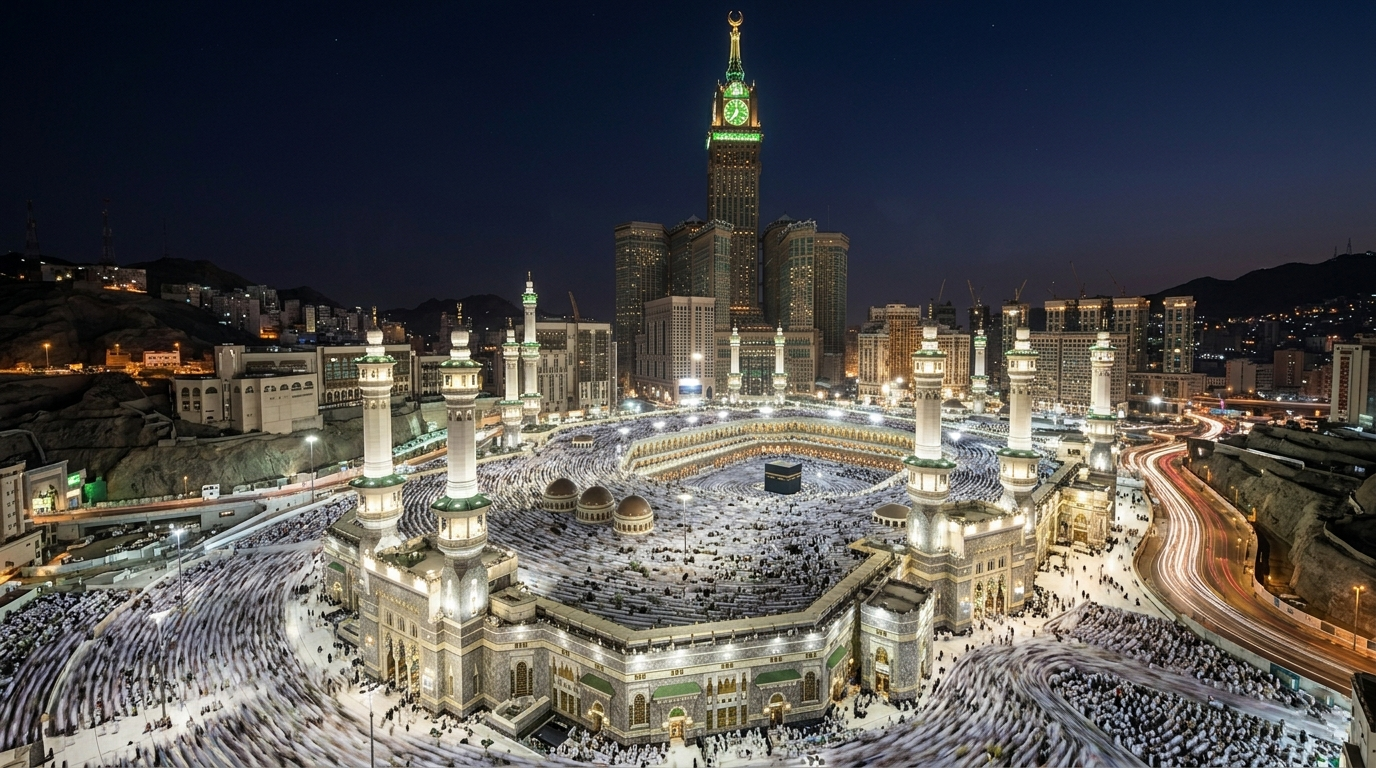
Hajj vs Umrah
Umrah is shorter and can be performed throughout the year. Hajj has fixed days and additional rites that cannot be skipped.
If you want a direct comparison, read difference between Umrah and Hajj.
Related pilgrim guides
Frequently asked questions
Are Hajj steps the same as Umrah steps?
No. Hajj includes extra rites in Mina, Arafah, Muzdalifah, and Jamarat.
What is the most important day of Hajj?
The day of Arafah is central. The standing at Arafah is the core rite of Hajj.
Can beginners follow this guide safely?
Yes. Use this as a clear overview, then study detailed rulings with a trusted scholar and your Hajj operator.
How early should I learn the steps before travel?
Start at least a few weeks before departure. Repeating the sequence daily makes the journey much easier.
Quran and Sunnah references
- Quran 2:196 on completing Hajj and Umrah for Allah.
- Quran 3:97 on the obligation of Hajj for those able to undertake it.
- Sahih al-Bukhari and Sahih Muslim: Umrah to Umrah expiates sins between them.
Explore more
Continue Reading
Popular Umrah Guides
Umrah Guide Step by Step: How to Perform Umrah for Beginners
How to Perform Umrah Step by Step (Complete Guide)
Complete Umrah Duas Guide: All Prayers & Supplications with Arabic Text
Ultimate Umrah Packing List 2024: What to Bring & What to Leave
15 Common Umrah Mistakes to Avoid: Expert Tips for a Valid Pilgrimage
Explore Makkah & Kaaba
Qibla Direction Explained: How Muslims Face the Kaaba in Prayer
الحجر الأسود (Hajar al-Aswad): Meaning, History, and Place in Tawaf
Kaaba Door Guide: Why It Is Raised, How It Changed, and Why It Matters
Mecca Meaning in Islam: Why It Is Called Makkah al-Mukarramah
Masjid al-Haram Map Guide: How to Understand the Sacred Mosque Layout
Masjid al-Haram Guide: The Sacred Makkah Mosque at the Heart of Islam
Recommended Travel Resources
Best Umrah Packages 2025: Prices, Options & Guide
Best Umrah Packages 2026 (Affordable Options & Tips)
Economy Umrah Packages: Affordable Booking Guide for Budget Pilgrims
Umrah Package With Flights: What Should Be Included Before You Book
Air Ticket for Umrah: Flight Booking Guide, Timing, and Package Strategy
Umrah Expenses from Pakistan: Full Cost Breakdown and Booking Plan
Advertisement