Advertisement
Paradise and Its People: What the Prophet ﷺ Told Us About Jannah
The Prophet Muhammad ﷺ said:
"In Paradise there is that which no eye has seen, no ear has heard, and no human heart has imagined." — Sahih Bukhari, Hadith 3244; Sahih Muslim, Hadith 2824
Every Muslim has heard about Jannah. But how many have truly studied what the authentic sources tell us? The classical work Tanbihul Ghafilin (Admonition for the Heedless) by Imam al-Samarqandi compiled these descriptions to awaken hearts dulled by worldly distraction. This article draws from that tradition and from the authenticated hadith to paint a picture of what awaits the sincere believer.
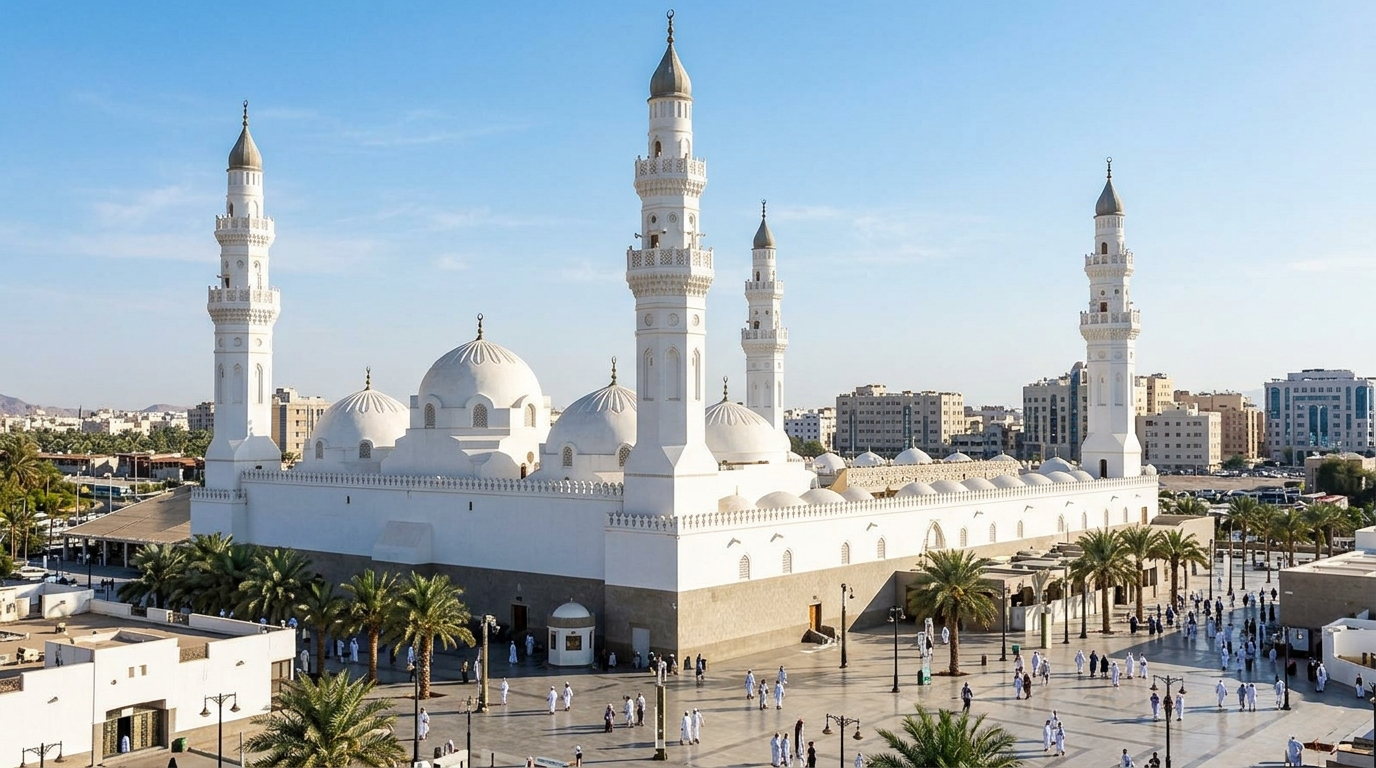
The Physical Descriptions of Jannah
Its Vastness
"Paradise has one hundred levels, and the distance between each level is like the distance between the heavens and the earth." — Sahih Bukhari, Hadith 2790
The highest level is al-Firdaws al-A'la, which is directly beneath the Throne of Allah. The Prophet ﷺ encouraged Muslims to ask for al-Firdaws specifically.
Its Rivers
"In Paradise there are rivers of water that never becomes stale, rivers of milk whose taste never changes, rivers of wine that is delicious to those who drink it, and rivers of pure honey." — Quran, 47:15
These are not metaphors — the scholars of tafsir affirm that the Quran describes real, physical realities of a realm beyond our current comprehension.
Its Soil and Fragrance
"The soil of Paradise is white musk." — Sahih Muslim, Hadith 2928
"Whoever enters Paradise will be in bliss and will never feel misery. His clothes will never wear out and his youth will never fade." — Sahih Muslim, Hadith 2836
The Market of Paradise
"There is a market in Paradise where the people come every Friday. The north wind blows and scatters fragrance on their faces and clothes, increasing them in beauty. When they return to their families, their families say: By Allah, you have increased in beauty!" — Sahih Muslim, Hadith 2833
The People of Jannah
Who Enters Paradise?
The hadith identify several categories:
1. The Sincere Believers
"Whoever says La ilaha illallah sincerely from the heart will enter Paradise." — Sahih Bukhari
2. The Patient
"Paradise is surrounded by hardships, and the Fire is surrounded by desires." — Sahih Muslim, Hadith 2822
3. The Charitable
"Protect yourselves from the Fire, even with half a date in charity." — Sahih Bukhari, Hadith 1417
4. The Pilgrims
"An accepted Hajj has no reward except Paradise." — Sahih Bukhari, Hadith 1773
Since Umrah shares the core rituals of Hajj, the sincere pilgrim who performs Umrah with faith and seeking reward is striving toward the same destination. Read our complete Umrah guide to ensure your pilgrimage is performed with both knowledge and sincerity.
The Last Person to Enter Paradise
One of the most moving narrations in Sahih Muslim describes the very last person to leave the Hellfire and enter Jannah:
"The last person to enter Paradise will be a man who walks, then stumbles, then is scorched by the Fire. When he passes it, he turns back and says: Blessed is the One who saved me from you. Allah has given me something He has not given the first and the last." — Sahih Muslim, Hadith 187
Even this person — the very last — will be given a kingdom ten times the size of this entire world. The generosity of Allah is beyond human calculation.
The Greatest Joy in Paradise
Above all physical descriptions, the greatest reward in Paradise is something non-physical:
"When the people of Paradise enter Paradise, Allah will say: Do you want anything more? They will say: Have You not made our faces bright? Have You not admitted us to Paradise and saved us from the Fire? Then the veil will be lifted, and they will not have been given anything more beloved to them than looking at their Lord." — Sahih Muslim, Hadith 181
This is al-Ru'yah — the vision of Allah. It is the ultimate purpose of creation and the supreme joy of eternity. Every act of worship, every Umrah, every moment of patience is ultimately aimed at this meeting.
Lessons from Tanbihul Ghafilin
Imam al-Samarqandi compiled these narrations not as entertainment but as medicine for the heedless heart. His approach was practical:
- When you are tempted by sin, remember what you are trading it for
- When worship feels heavy, remember what awaits the worshipper
- When the world disappoints, remember it was never meant to satisfy
- When death frightens, remember it is the door, not the end
The Connection to Umrah
The Prophet ﷺ said:
"Umrah to Umrah is an expiation for sins committed between them, and an accepted Hajj has no reward except Paradise." — Sahih Bukhari, Hadith 1773
Your Umrah is a direct investment in your account with Allah. Every tawaf, every du'a at Safa, every moment in ihram is a step closer to the Jannah described in these hadith.
Use our Umrah duas guide to fill your pilgrimage with authentic supplications — including the dua for al-Firdaws al-A'la.
Common Questions Pilgrims Ask Pilgrims Ask
What is Tanbihul Ghafilin?
Tanbihul Ghafilin (Admonition for the Heedless) is a classical Islamic work by Imam Abu al-Layth al-Samarqandi. It compiles hadith and scholarly wisdom about the afterlife, Paradise, Hellfire, and spiritual awakening to motivate sincere worship.
Are the descriptions of Paradise literal or metaphorical?
The mainstream scholarly position is that the descriptions are of real, physical realities — but of a nature beyond current human experience. The Prophet ﷺ said no eye has seen, no ear has heard, and no heart has imagined what Allah has prepared.
What is the greatest reward in Jannah?
The greatest reward is the vision of Allah (al-Ru'yah), as described in Sahih Muslim. The people of Paradise will say that nothing they received was more beloved than seeing their Lord.
Does performing Umrah guarantee entry to Paradise?
The Prophet ﷺ said that an accepted Hajj has no reward except Paradise. While Umrah expiates sins between pilgrimages, ultimate entry depends on Allah's mercy. Sincerity, repentance, and consistent worship are the keys.
How can thinking about Paradise improve my daily worship?
The scholars taught that remembering the afterlife is one of the most powerful motivators for worship. When prayer feels heavy, remembering what awaits makes it light. When sin tempts, remembering what you are risking creates resistance.
Conclusion
The descriptions of Paradise are not fairy tales — they are promises from the One who never breaks His promise. Every hadith in this article is authenticated. Every description is from the mouth of the Prophet ﷺ or the words of Allah Himself.
Let these descriptions do what Imam al-Samarqandi intended: wake up the heedless heart. The world you see is temporary. The world you cannot yet see is eternal. And every step toward Allah — especially every step during Umrah — is a step toward a home that will never disappoint.
May Allah admit us all to al-Firdaws al-A'la without reckoning. Ameen.
Quran and Sunnah references
- Quran 2:196 on completing Hajj and Umrah for Allah.
- Quran 3:97 on the obligation of Hajj for those able to undertake it.
- Sahih al-Bukhari and Sahih Muslim: Umrah to Umrah expiates sins between them.
Explore more
Continue Reading
Popular Umrah Guides
Umrah Guide Step by Step: How to Perform Umrah for Beginners
How to Perform Umrah Step by Step (Complete Guide)
Complete Umrah Duas Guide: All Prayers & Supplications with Arabic Text
Ultimate Umrah Packing List 2024: What to Bring & What to Leave
15 Common Umrah Mistakes to Avoid: Expert Tips for a Valid Pilgrimage
Explore Makkah & Kaaba
Qibla Direction Explained: How Muslims Face the Kaaba in Prayer
الحجر الأسود (Hajar al-Aswad): Meaning, History, and Place in Tawaf
Kaaba Door Guide: Why It Is Raised, How It Changed, and Why It Matters
Mecca Meaning in Islam: Why It Is Called Makkah al-Mukarramah
Masjid al-Haram Map Guide: How to Understand the Sacred Mosque Layout
Masjid al-Haram Guide: The Sacred Makkah Mosque at the Heart of Islam
Recommended Travel Resources
Best Umrah Packages 2025: Prices, Options & Guide
Best Umrah Packages 2026 (Affordable Options & Tips)
Economy Umrah Packages: Affordable Booking Guide for Budget Pilgrims
Umrah Package With Flights: What Should Be Included Before You Book
Air Ticket for Umrah: Flight Booking Guide, Timing, and Package Strategy
Umrah Expenses from Pakistan: Full Cost Breakdown and Booking Plan
Frequently Asked Questions
What is Tanbihul Ghafilin?
Tanbihul Ghafilin is a classical Islamic work by Imam al-Samarqandi compiling hadith and wisdom about the afterlife, Paradise, and Hellfire to motivate sincere worship.
Are the descriptions of Paradise literal or metaphorical?
The mainstream scholarly position is that they are real physical realities of a nature beyond current human experience, as the Prophet ﷺ stated.
What is the greatest reward in Jannah?
The vision of Allah (al-Ru'yah), as described in Sahih Muslim. The people of Paradise will say nothing was more beloved than seeing their Lord.
Does performing Umrah guarantee entry to Paradise?
Umrah expiates sins between pilgrimages, but ultimate entry depends on Allah's mercy. Sincerity, repentance, and consistent worship are the keys.
How can thinking about Paradise improve daily worship?
Remembering the afterlife is one of the most powerful motivators. When prayer feels heavy, remembering what awaits makes it light.
Advertisement