Advertisement
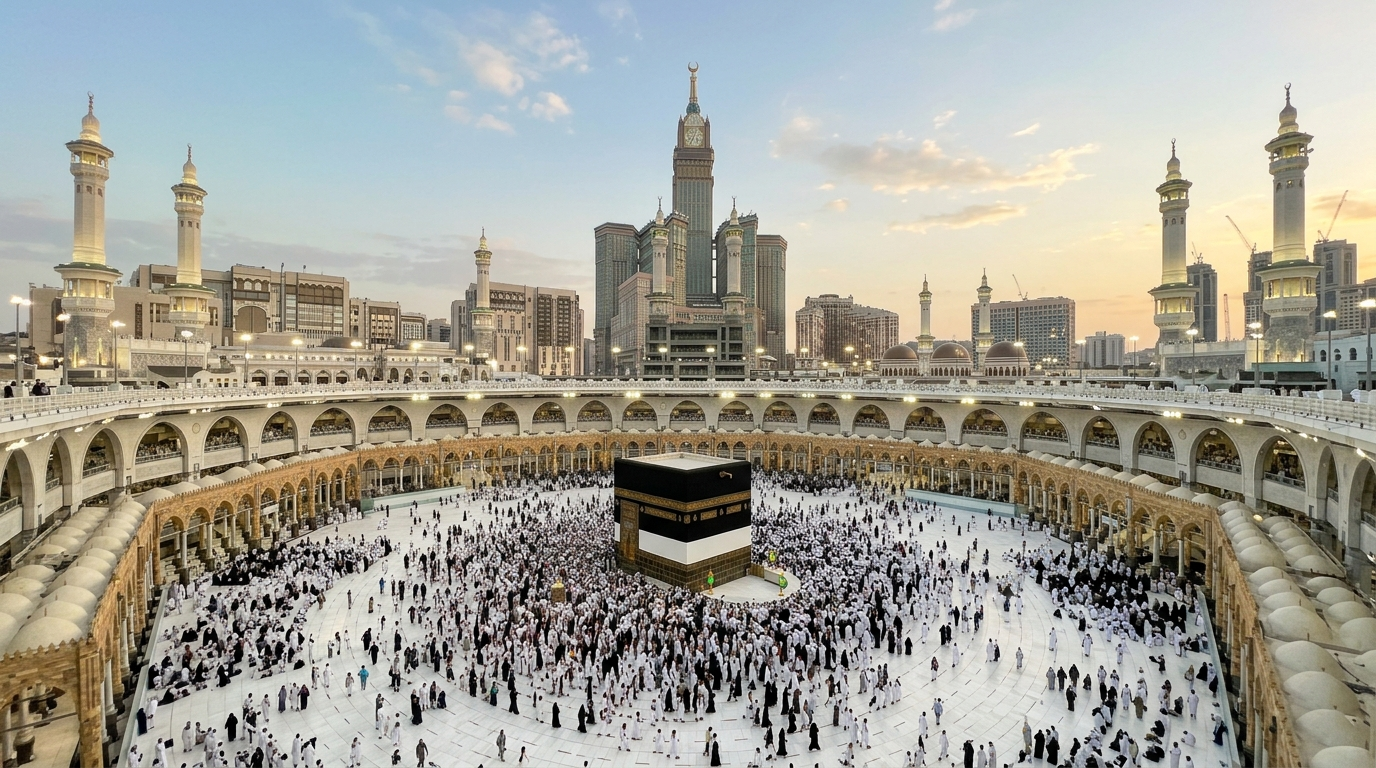
When Does Hajj Start and End? Simple Guide to the Full Hajj Timeline
Many people ask when does hajj start and end because they want a clear answer before studying the detailed rituals. This is one of the most practical questions a future pilgrim can ask. If you understand the Hajj timeline first, the sequence of rites becomes far easier to follow.
Short Answer
In the Islamic calendar, Hajj begins with the core rites on 8 Dhul Hijjah and ends with the final days of the pilgrimage on 13 Dhul Hijjah for many pilgrims. Some pilgrims leave after 12 Dhul Hijjah depending on valid arrangements, but the full Hajj period commonly discussed runs from 8 to 13 Dhul Hijjah.
So the shortest useful answer to when does hajj start and end is this:
- starts: 8 Dhul Hijjah
- ends: 12 or 13 Dhul Hijjah, with 13 Dhul Hijjah completing the fuller timeline many pilgrims follow
Why the Hajj Timeline Confuses Beginners
People become confused about Hajj timing for several reasons:
- Islamic dates differ from Gregorian dates every year.
- Some travel packages include arrival days before the rites start.
- Some pilgrims leave Mina after the 12th, while others stay through the 13th.
- Online sources may mix estimated and official dates.
That is why a simple stage-by-stage explanation helps much more than a single date line.
When Hajj Starts in Practical Terms
Formal ritual beginning
The core ritual sequence begins on 8 Dhul Hijjah, often called the Day of Tarwiyah.
On that day, pilgrims:
- enter or renew Ihram where relevant
- travel to Mina
- prepare spiritually and physically for Arafat
This day marks the practical beginning of the Hajj ritual journey.
Travel preparation beginning
Of course, many pilgrims arrive in Saudi Arabia before 8 Dhul Hijjah. But those earlier days are preparation and logistics. The Hajj rites themselves begin with the 8th.
What Happens on Each Main Day?
8 Dhul Hijjah: Mina
Pilgrims move to Mina and spend the day and night there. This stage builds readiness and helps transition from preparation into the core pilgrimage period.
9 Dhul Hijjah: Arafat and Muzdalifah
This is the most important day of Hajj. Pilgrims stand at Arafat in dua, repentance, and remembrance. After sunset, they move to Muzdalifah.
If a person asks what the emotional center of Hajj is, the answer is often Arafat.
10 Dhul Hijjah: Eid Day and Major Rites
On this day, pilgrims complete major actions such as:
- stoning Jamrat al-Aqabah
- sacrifice where required
- shaving or trimming hair
- Tawaf al-Ifadah and Sa'i in many cases
This is often the most intense and physically demanding day.
11 Dhul Hijjah: Mina Days Continue
Pilgrims remain in Mina and perform the stoning rites according to the Hajj schedule.
12 Dhul Hijjah: Optional Early Departure for Some
Many pilgrims complete the day's stoning and then leave Mina if their arrangements and rulings allow. Others remain until the next day.
13 Dhul Hijjah: Final Mina Day for Those Staying Longer
For pilgrims who stay, this day completes the fuller Hajj timeline in Mina before final departure-related stages.
So When Does Hajj End Exactly?
The answer depends on how precisely the question is being asked.
If you mean the main ritual window
Hajj ends by 12 or 13 Dhul Hijjah, depending on the pilgrim's schedule in Mina.
If you mean the full spiritual and travel closure
Many pilgrims still perform farewell tawaf and then depart Makkah afterward, so the lived experience can extend beyond the main Mina days.
If you mean the standard full answer for beginners
The safest general explanation is: Hajj starts on 8 Dhul Hijjah and ends on 13 Dhul Hijjah, with some pilgrims completing the Mina portion by the 12th.
Why Hajj Dates Shift Every Year
Another part of the question when does hajj start and end is the yearly Gregorian calendar issue. Hajj shifts earlier each solar year because the Islamic calendar is lunar.
That means:
- the Islamic dates stay fixed in Dhul Hijjah
- the Gregorian dates move each year
- official confirmation still depends on moon sighting
This is why Hajj may appear in different months of the Gregorian year over time.
How Pilgrims Should Plan Around the Timeline
If you are planning for Hajj, do not book your mindset around only the main ritual dates. Prepare around a wider planning window.
Plan for:
- arrival before 8 Dhul Hijjah
- possible one-day shifts in official date confirmation
- transport delays during Hajj days
- farewell tawaf before departure
Good planning reduces stress during worship.
Common Beginner Questions About Hajj Start and End
Does Hajj start before 8 Dhul Hijjah if I arrive early?
Travel and preparation may start earlier, but the main Hajj rites begin on 8 Dhul Hijjah.
Does Hajj always end on 13 Dhul Hijjah?
Many pilgrims describe the fuller timeline that way, though some leave after the 12th under valid conditions.
Is farewell tawaf part of the ending?
Yes, farewell tawaf is part of the closing process before leaving Makkah.
Do Gregorian dates matter more than Islamic dates?
No. The Islamic dates define Hajj. Gregorian dates are only the changing civil calendar translation.
Visual Timeline Summary
- 8 Dhul Hijjah: Mina begins
- 9 Dhul Hijjah: Arafat, then Muzdalifah
- 10 Dhul Hijjah: major rites and Eid day
- 11 Dhul Hijjah: Mina stoning continues
- 12 Dhul Hijjah: Mina continues, some depart
- 13 Dhul Hijjah: final Mina day for those staying
- afterward: farewell tawaf and departure from Makkah
This summary gives most beginners the structure they need.
Why Understanding Start and End Dates Matters Spiritually
Knowing the dates is not only a planning issue. It also helps pilgrims mentally prepare for each stage. Hajj is easier to approach when the journey is broken into meaningful days instead of one overwhelming block.
Each day has a different focus:
- Mina for readiness
- Arafat for repentance
- Muzdalifah for simplicity and trust
- Eid day for major action
- Mina days for steadiness and patience
This turns the timeline into a spiritual map.
Practical Planning Window Around the Hajj Dates
Anyone asking when does hajj start and end should plan for more than only the central ritual dates. A wise pilgrim also accounts for arrival time, rest before Mina, possible date shifts from moon sighting, and departure after farewell tawaf. This wider planning window helps avoid unnecessary stress and supports smoother worship.
Best Way to Remember the Hajj Timeline
Use this memory pattern:
- 8th: Mina begins
- 9th: Arafat then Muzdalifah
- 10th: major rites and Eid day
- 11th to 13th: Mina continuation and stoning
This simple pattern helps most beginners remember the Hajj start-and-end structure quickly.
Final Beginner Reminder on Hajj Dates
If you forget every detail, remember this: the Hajj journey begins with Mina on the 8th, centers on Arafat on the 9th, intensifies with the major rites on the 10th, and continues through the Mina days until the fuller ending by the 13th. That memory anchor is enough to keep the main structure clear.
Conclusion
So, when does hajj start and end? The clearest beginner answer is that Hajj starts on 8 Dhul Hijjah and runs through 12 or 13 Dhul Hijjah, with 13 Dhul Hijjah representing the fuller standard timeline many guides use. Some closing acts, especially farewell tawaf and travel departure, may continue after the main Mina days.
Once you understand this timeline, the structure of Hajj becomes far less intimidating. You can study each day with more confidence, prepare your logistics better, and approach the pilgrimage with calm and clarity.
May Allah grant every pilgrim an easy, accepted, and well-understood Hajj journey.
Quran and Sunnah references
- Quran 2:196 on completing Hajj and Umrah for Allah.
- Quran 3:97 on the obligation of Hajj for those able to undertake it.
- Sahih al-Bukhari and Sahih Muslim: Umrah to Umrah expiates sins between them.
Explore more
Continue Reading
Popular Umrah Guides
Umrah Guide Step by Step: How to Perform Umrah for Beginners
How to Perform Umrah Step by Step (Complete Guide)
Complete Umrah Duas Guide: All Prayers & Supplications with Arabic Text
Ultimate Umrah Packing List 2024: What to Bring & What to Leave
15 Common Umrah Mistakes to Avoid: Expert Tips for a Valid Pilgrimage
Explore Makkah & Kaaba
Qibla Direction Explained: How Muslims Face the Kaaba in Prayer
الحجر الأسود (Hajar al-Aswad): Meaning, History, and Place in Tawaf
Kaaba Door Guide: Why It Is Raised, How It Changed, and Why It Matters
Mecca Meaning in Islam: Why It Is Called Makkah al-Mukarramah
Masjid al-Haram Map Guide: How to Understand the Sacred Mosque Layout
Masjid al-Haram Guide: The Sacred Makkah Mosque at the Heart of Islam
Recommended Travel Resources
Best Umrah Packages 2025: Prices, Options & Guide
Best Umrah Packages 2026 (Affordable Options & Tips)
Economy Umrah Packages: Affordable Booking Guide for Budget Pilgrims
Umrah Package With Flights: What Should Be Included Before You Book
Air Ticket for Umrah: Flight Booking Guide, Timing, and Package Strategy
Umrah Expenses from Pakistan: Full Cost Breakdown and Booking Plan
Frequently Asked Questions
When does Hajj start and end in the Islamic calendar?
The core Hajj rites begin on 8 Dhul Hijjah and commonly run through 12 or 13 Dhul Hijjah, depending on the pilgrim's Mina schedule.
Why do Hajj dates look different every year?
Because Hajj follows the lunar Islamic calendar, its Gregorian dates shift every year and final confirmation depends on moon sighting.
Is farewell tawaf part of the ending of Hajj?
Yes. Farewell tawaf is part of the closing rites before a pilgrim leaves Makkah, subject to valid scholarly exemptions.
Advertisement