Advertisement
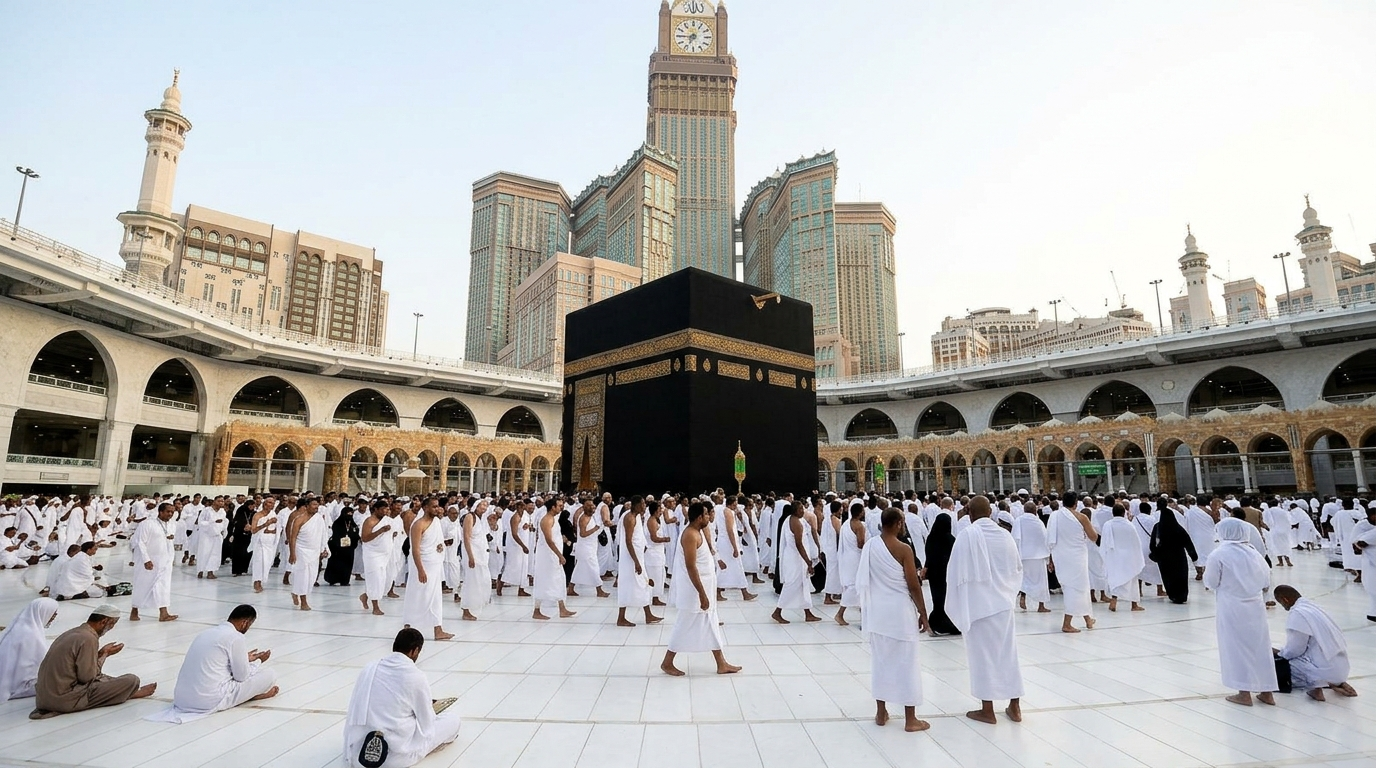
Who Built the Kaaba in Islam? History and Islamic Perspective
Many people search for who built the Kaaba in Islam because they want a simple answer to one of the most important questions in Islamic history. The Kaaba is the most recognized symbol of the sacred center of Islam, yet many Muslims and non-Muslims still want to know who built it, whether Prophet Ibrahim started it from nothing, and why the structure remains so central to worship today.
The short answer is that, according to Islamic teaching, Prophet Ibrahim and his son Prophet Ismail, peace be upon them, raised the foundations of the Kaaba by the command of Allah. But the fuller answer is richer than a single sentence. It includes Quranic evidence, the difference between foundations and rebuilding, the role of the Quraysh, and the way the Kaaba became the qiblah for Muslims around the world.
This guide explains who built the Kaaba in Islam in a clear, trustworthy way and shows why that answer matters for every Muslim who prays, performs Umrah, or studies the history of Makkah.
Short Answer
If you need the direct answer first:
- Prophet Ibrahim and Prophet Ismail raised the foundations of the Kaaba by Allah's command.
- The Kaaba was later rebuilt at different points in history.
- The Quraysh also reconstructed it before the Prophethood of Muhammad ﷺ.
- The Kaaba remains the qiblah and center of Tawaf, but Muslims worship Allah alone, not the building itself.
Quranic Basis for Who Built the Kaaba in Islam
The strongest basis for this question comes from the Quran:
"And [mention] when Ibrahim was raising the foundations of the House and [with him] Ismail..." (Quran 2:127)
This verse is central because it explicitly connects Prophet Ibrahim and Prophet Ismail to raising the foundations of the Sacred House. That is why the standard Islamic answer to who built the Kaaba in Islam points first to these two Prophets.
Did Ibrahim Build the Kaaba From Nothing?
This is where many people need a little more nuance. The Quranic wording speaks about raising the foundations. Scholars explain this in slightly different ways, but the common understanding is that Ibrahim and Ismail did not invent the Kaaba as a human monument. Rather, they raised or rebuilt its foundations as a house established for the worship of Allah.
This distinction matters because the Kaaba is not treated in Islam as a mere architectural achievement. It is a sacred house tied to divine command, purification, and worship.
Why Prophet Ibrahim Matters So Much Here
The answer to who built the Kaaba in Islam is not only historical. It is spiritual. Prophet Ibrahim represents obedience, sacrifice, migration, trust in Allah, and leadership in tawhid. The Kaaba is deeply connected to all of these themes.
When Muslims look at the Kaaba, they are reminded of:
- the obedience of Ibrahim
- the patience of Hajar
- the role of Ismail
- the restoration of pure worship
That is why the Kaaba is not just an old building in Makkah. It is tied to the prophetic legacy of surrender to Allah.
The Role of Prophet Ismail
Prophet Ismail is not only mentioned as present. He is part of the raising of the foundations. Islamic memory of the Kaaba is therefore a shared story of father and son acting in obedience to Allah.
This also connects the Kaaba to the broader story of Makkah, Zamzam, and the early sacred life of the valley that later became the spiritual center of the Muslim world.
Was the Kaaba Rebuilt Later?
Yes. One reason people become confused about who built the Kaaba in Islam is that the physical structure has been rebuilt more than once.
The Kaaba seen today is not physically identical to the earliest structure raised by Ibrahim and Ismail. Over time, damage, weather, floods, and conflict led to later rebuilding and repair.
Important later stages include:
- reconstruction by the Quraysh before the Prophethood of Muhammad ﷺ
- later changes connected to Abdullah ibn al-Zubayr
- further maintenance and restoration in later Muslim history
So the religious origin points to Ibrahim and Ismail, while the visible structure also has later historical layers.
The Quraysh Rebuild and the Black Stone Incident
Before revelation began, the Quraysh rebuilt the Kaaba after structural damage. During that reconstruction, there was a dispute over who would place the Black Stone back into its position.
Muhammad ﷺ, before becoming known publicly as the Messenger of Allah, resolved the dispute wisely. He placed the Black Stone on a cloth, allowed tribal leaders to lift it together, and then placed it in position himself.
This event matters because it links the Kaaba not only to Ibrahim and Ismail, but also to the noble character and wisdom of the Prophet Muhammad ﷺ before his Prophetic mission began.
Why the Kaaba Matters in Islam Today
The Kaaba remains central because it is:
- the qiblah for all Muslims in prayer
- the center of Tawaf in Umrah and Hajj
- the most recognized symbol of unity in worship
- tied to the legacy of Ibrahim عليه السلام
The Kaaba is not worshipped. Muslims worship Allah alone. Facing the Kaaba in salah is an act of obedience and unity, not an act of worship to stone or structure.
Who Built the Kaaba in Islam and Why the Answer Matters
Some people think this is a small historical question, but it is actually very important. Knowing who built the Kaaba in Islam helps explain:
- why the Kaaba is linked to tawhid
- why Ibrahim is central to pilgrimage memory
- why the rituals of Hajj and Umrah feel connected to prophetic history
- why Muslims face one direction in prayer
Without this background, the Kaaba can look like a symbol without context. With it, the entire structure becomes part of a prophetic story of obedience.
Kaaba and Umrah
Every pilgrim performing Umrah circles the Kaaba during Tawaf. That means this historical question is also practical. If you are going for Umrah, understanding the story of the Kaaba strengthens your presence of heart during worship.
For the practical ritual sequence, read:
Common Misunderstandings
Misunderstanding 1: Muslims worship the Kaaba
No. Muslims worship Allah alone.
Misunderstanding 2: The present structure is untouched from Ibrahim's time
No. The Kaaba has been rebuilt and maintained in different historical periods.
Misunderstanding 3: Only the Quraysh built the Kaaba
The Quraysh rebuilt it at one stage, but the Islamic religious origin goes back to Ibrahim and Ismail.
Misunderstanding 4: The Kaaba matters only for Hajj
No. It matters in daily prayer, Umrah, Islamic identity, and the meaning of qiblah.
FAQs
Who built the Kaaba in Islam according to the Quran?
According to the Quran, Prophet Ibrahim and Prophet Ismail raised the foundations of the House by the command of Allah.
Did Ibrahim build the Kaaba from nothing?
Islamic sources indicate that he raised or rebuilt its foundations, which is why scholars often explain the matter with careful wording.
Did the Quraysh also build the Kaaba?
They rebuilt the Kaaba in one important historical period before the Prophethood of Muhammad ﷺ, but the sacred origin in Islam is tied to Ibrahim and Ismail.
Why do Muslims face the Kaaba?
It is the qiblah, the unified direction of prayer for Muslims worldwide.
Conclusion
So, who built the Kaaba in Islam? The clearest Islamic answer is that Prophet Ibrahim and Prophet Ismail raised its foundations by Allah's command. Later generations, including the Quraysh, rebuilt the physical structure at different times, but the Kaaba's sacred origin and spiritual meaning remain rooted in the prophetic legacy of Ibrahim.
That is why the Kaaba matters so deeply. It is not only a building in Makkah. It is a living sign of tawhid, obedience, unity, and the continuity of worship from the Prophets to the Muslim Ummah today.
Quran and Sunnah references
- Quran 2:196 on completing Hajj and Umrah for Allah.
- Quran 3:97 on the obligation of Hajj for those able to undertake it.
- Sahih al-Bukhari and Sahih Muslim: Umrah to Umrah expiates sins between them.
Explore more
Continue Reading
Popular Umrah Guides
Umrah Guide Step by Step: How to Perform Umrah for Beginners
How to Perform Umrah Step by Step (Complete Guide)
Complete Umrah Duas Guide: All Prayers & Supplications with Arabic Text
Ultimate Umrah Packing List 2024: What to Bring & What to Leave
15 Common Umrah Mistakes to Avoid: Expert Tips for a Valid Pilgrimage
Explore Makkah & Kaaba
Qibla Direction Explained: How Muslims Face the Kaaba in Prayer
الحجر الأسود (Hajar al-Aswad): Meaning, History, and Place in Tawaf
Kaaba Door Guide: Why It Is Raised, How It Changed, and Why It Matters
Mecca Meaning in Islam: Why It Is Called Makkah al-Mukarramah
Masjid al-Haram Map Guide: How to Understand the Sacred Mosque Layout
Masjid al-Haram Guide: The Sacred Makkah Mosque at the Heart of Islam
Recommended Travel Resources
Best Umrah Packages 2025: Prices, Options & Guide
Best Umrah Packages 2026 (Affordable Options & Tips)
Economy Umrah Packages: Affordable Booking Guide for Budget Pilgrims
Umrah Package With Flights: What Should Be Included Before You Book
Air Ticket for Umrah: Flight Booking Guide, Timing, and Package Strategy
Umrah Expenses from Pakistan: Full Cost Breakdown and Booking Plan
Advertisement